Most of us take a moment to check the nutritional label on a box of cereal, ensuring we aren't buying something full of hidden chemicals. Yet, few of us ever look at the "ingredients" of our savings accounts or retirement funds with that same level of scrutiny. Sustainable and responsible investing strategies are simply the financial version of reading the label—a way to ensure your hard-earned cash isn't accidentally funding industries you might otherwise try to avoid.
For decades, a persistent myth suggested that you had to choose between growing your wealth and staying true to your values. Today, that old way of thinking is rapidly disappearing as major financial institutions prove that ignoring the planet’s health is actually a risky financial bet. By adopting eco-friendly investing approaches, everyday savers are discovering that ethical companies often make for stronger, more resilient long-term investments.
Every dollar you save acts like a vote for the kind of future you want to see. Whether it sits in a basic bank account or a 401(k), that money is never truly neutral; it is always being lent out to build something, somewhere. Through ethical investment strategies, you take back control of that process, transforming your personal finances from a passive storage locker into an active tool for positive global change.
Imagine buying a used car based only on its top speed without checking if the brakes work or if the engine leaks. For decades, traditional investing often looked only at the speed—profit—ignoring other critical safety checks. Today, smart investors use a broader set of data called ESG (Environmental, Social, and Governance) to fill in those gaps. This "modern scorecard" helps determine if a company is built for the long haul or is simply cutting corners to make a quick buck.
These three letters categorize risks that don't always show up on a bank statement but can still crash a stock price. When exploring sustainable finance options, you are essentially asking three specific questions about a business:
- Environmental (E): Is the company acting as a steward of the planet? This covers carbon footprints, waste management, and energy use.
- Social (S): How does the company treat people? This measures fair wages, worker safety, and customer privacy.
- Governance (G): Who is steering the ship? This looks at executive pay, board diversity, and protection against corruption.
Financial experts call these factors "material" because they have a concrete impact on the bottom line. A company with poor safety standards (Social) invites expensive lawsuits, while one with corrupt leadership (Governance) scares away partners. Modern ESG investment strategies rely on these ESG reporting frameworks to flag risks before they become headlines, proving that you aren't just being "nice"—you are being prudent. Once you understand the scorecard, you can use it to filter out the bad apples from your portfolio.
Just as a vegetarian scans a menu to avoid meat, investors use negative vs positive screening strategies to align their money with their morals. The oldest and most common method is simply saying "no" to industries that conflict with your values. This approach, known as exclusionary screening, filters out "sin stocks"—companies involved in tobacco, gambling, or weapons manufacturing—ensuring your savings aren't fueling activities you fundamentally oppose.
However, ethical investment strategies have evolved beyond just avoiding the "bad." Many modern socially responsible funds now actively hunt for the "good," rewarding companies that are outperforming their peers on the ESG scorecard.
- Negative Screening (The Shield): Protects your portfolio by excluding high-risk or objectionable industries, like fossil fuels or firearms.
- Positive Screening (The Magnet): Attracts value by selecting "best-in-class" companies with superior safety records, clean energy usage, or diverse leadership.
By combining these filters, you create a portfolio that reflects both what you stand against and what you support. But what happens if a company is mostly good but needs improvement? Instead of selling the stock, some investors choose to keep it and demand changes from the inside.
Owning a share of stock is more than just holding a digital lottery ticket; it is legally buying a piece of the business. This purchase comes with a powerful "membership card" that transforms you from a passive spectator into an active participant. In finance, this is active ownership. Instead of selling the stock of a company with poor environmental habits, investors stay put and use their status as partial owners to demand improvements.
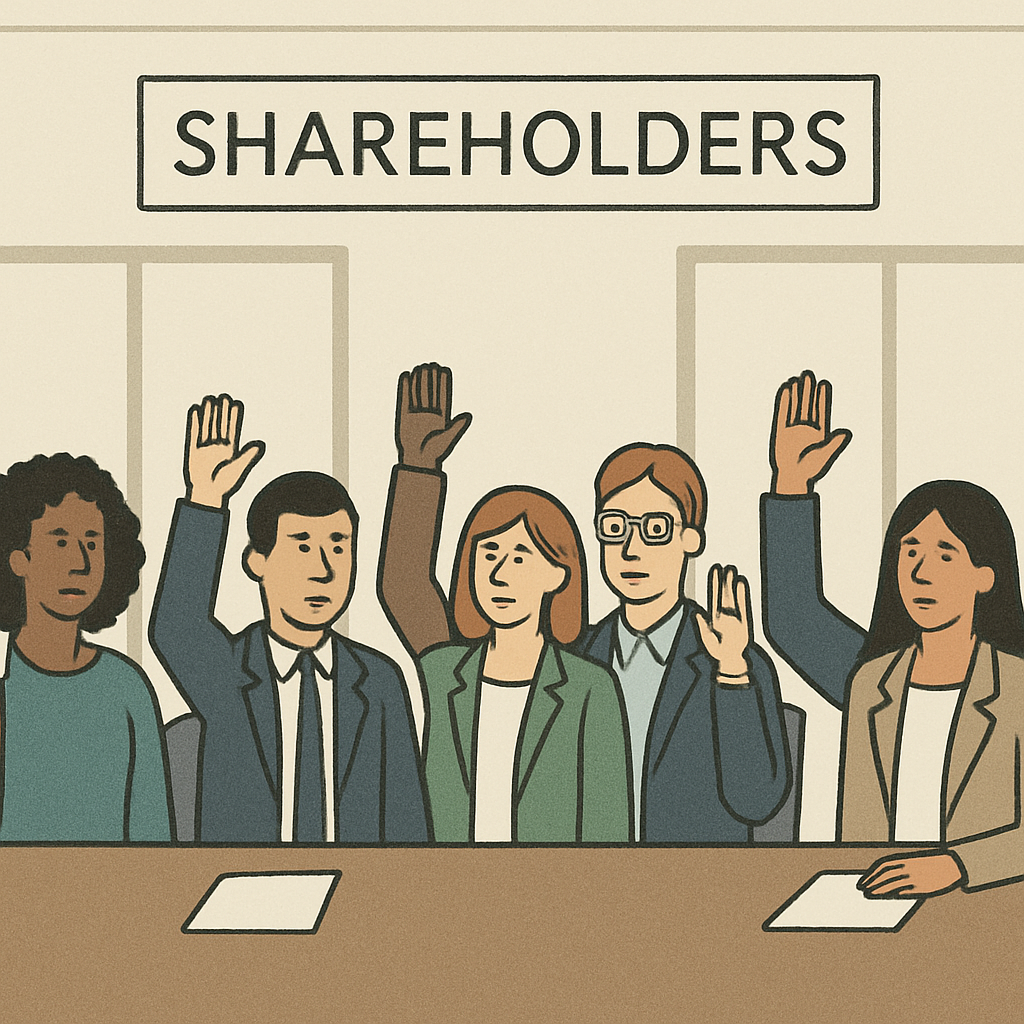
Annual meetings provide the primary arena for this influence through a process called proxy voting. Just as citizens vote for local laws, shareholders cast ballots on critical business issues, from approving executive pay to demanding reports on plastic waste. This mechanism of corporate governance and shareholder activism allows investors to force difficult conversations onto the boardroom agenda. If a majority of shareholders vote for a change, the company is often legally bound to listen.
Beyond the formal vote, direct engagement offers a more personal way to steer the ship. This involves investors meeting privately with corporate leadership to negotiate changes, such as adopting renewable energy or improving factory safety. These active ownership strategies for sustainable investing often rely on diplomacy to solve problems before they reach a public vote.
These strategies have successfully pushed oil giants to acknowledge climate change and tech companies to address privacy concerns. Yet, this isn't just about morality; it is about recognizing that a safer company is usually a more profitable one.
For a long time, the financial world treated environmental and social issues like charitable donations—nice things to do if you had extra cash, but irrelevant to making a profit. That mindset has officially expired. Modern money managers now practice ESG integration in portfolio construction not just to be "good citizens," but to be smarter investors. They recognize that a company ignoring pollution laws or mistreating its workforce is not just acting unethically; it is running a business prone to expensive lawsuits and reputational disasters.
Think of this approach like buying a house. You wouldn't just look at the fresh paint; you would inspect the foundation for cracks and check if the basement floods. Similarly, smart investors hunt for material ESG risks in financial analysis—specific, real-world dangers that could hurt a company's bottom line. If a clothing brand relies on cotton from a drought-prone region, that is a financial risk. If a tech firm has weak data privacy security, that is a liability waiting to explode.
Ultimately, financial advisors have a legal obligation to protect your money, and in today's changing economy, fiduciary duty and sustainable investing are becoming inseparable. It is increasingly difficult to secure long-term profits by betting on companies that are unprepared for a low-carbon future.
While ESG integration focuses on protecting your portfolio from operational risks, impact investing flips the script to generate positive change for the world. Think of the difference between ESG and impact investing like the difference between a driver wearing a seatbelt and an ambulance rushing to a hospital. ESG manages internal risk to keep the company safe (the seatbelt), while impact investing actively seeks to solve a specific external problem (the ambulance).
To achieve these goals, investors often look for a "Double Bottom Line"—aiming for both financial profit and a concrete societal benefit. This might involve buying Green Bonds, which are essentially loans specifically designated to fund projects like wind farms or affordable housing. These ESG impact investing approaches go beyond simply avoiding "bad" companies; they funnel capital directly into solutions that might not otherwise exist.
The easiest way to tell them apart is to look at how to measure social impact of investments versus operational grades.
ESG (Process): "Is this company managed responsibly to avoid pollution lawsuits?"
Impact (Outcome): "Did this investment provide clean water to 10,000 people?"
Building a sustainable portfolio is much like assembling a winning sports team. You wouldn’t draft only goalies, and similarly, sustainable portfolio management requires more than just a handful of solar stocks. Investors mix different "players" together—combining steady, responsible tech companies with aggressive clean energy innovators—to ensure the strategy remains stable. This diversity protects your savings even if one specific sector faces a downturn, ensuring your financial health doesn't rely on a single industry.
Instead of avoiding entire industries, experts use ESG integration to select the "best-in-class" companies within every sector. A balanced fund might include a traditional shipping company leading in fuel efficiency alongside a dedicated wind farm operator. By diversifying across the economy, investors lower the risk that a single event—like a regulatory change or oil price spike—will derail their long-term goals.
For those seeking specific impact, thematic investing in renewable energy offers a way to target high-growth trends directly. These investments act like the "star players" on your roster, aiming for big scores rather than defense.
You no longer need to worry about the outdated question of whether sustainable investments are as profitable as traditional stocks. The evidence suggests that ignoring the planet is actually the riskier financial bet. This is why the world’s largest pension funds are shifting their strategies to avoid future crashes. They understand that sustainable companies are often better built to survive in a changing world.
Apply the "$100 Test" to your own thinking. If you had to lock away money for ten years, would you trust a polluting industry or a clean energy innovator? Smart investing is increasingly about transitioning to a net-zero investment portfolio because that is where the economy is growing.
Take action with three simple steps this week:
Check your 401(k) or retirement plan to see what companies you currently own.
Look for funds labeled "ESG" to explore better alternatives.
Ask your bank if your savings support the future you want to see.
Empty space, drag to resize