You might have noticed your weekly grocery bill inching upward, even when you buy the exact same items. While it is easy to blame general inflation, the real culprit is often found in weather reports thousands of miles away. When a severe drought dries up wheat fields in the Midwest, the price of your morning toast jumps right here at home.
Economists call this "physical market risk," but you can simply think of it as the financial ripple effect of a changing planet. It is not just about a storm damaging a specific building; it is about how that damage disrupts the complex supply chains that stock our shelves. Suddenly, global weather events become local financial factors that directly hit your bank account.
We see this shift most clearly in the housing market, where major insurance companies have stopped writing new policies in high-risk areas like California and Florida due to mounting losses. This signals the start of the "climate transition"—a period where the economy is forced to adjust to new environmental realities.
Ignoring these financial signals won't make them go away. Recognizing climate transition physical market risks allows you to protect your assets, helping you actively weigh the cost of inaction against the necessity of adaptation in your own life.
Most people intuitively understand that a hurricane hitting a coastal town destroys homes and disrupts businesses. This is the first category: Physical Risk. It acts like the "broken window" effect—if a storm floods a factory or a drought kills a wheat crop, the direct damage costs money immediately. These events force insurance premiums up and can even reduce the value of your home if it sits in a newly designated high-risk flood zone.
However, your wallet also faces threats from how society responds to these changes, known as Transition Risk. This risk doesn't come from the weather itself, but from the rules changing to fight it. Imagine owning a diesel car that suddenly loses half its resale value because a city bans older engines to cut pollution. That loss of value is a transition risk. When experts analyze the types of climate risk, they distinguish them by their source:
Smart investors and business owners must plan for both hurdles simultaneously to survive. While new regulations reshape industries over years, the most sudden shocks often come from weather events.
Have you ever gone to buy a new laptop or a car part, only to be told it’s on backorder for six months? This frustration is often the final ripple of acute physical risk. These are event-driven shocks—hurricanes, floods, or wildfires—that hit specific locations hard and fast. Unlike a slow rise in average temperature, acute risks are the "heart attacks" of the economy, causing sudden stoppages that ripple outward instantly.
Modern products are like complex recipes with ingredients sourced from all over the world. If a typhoon floods a factory in Taiwan that makes microchips, car factories in Detroit have to stop their assembly lines because they are missing that one crucial ingredient. This highlights how climate change affects global supply chains; a localized disaster isn't just a local problem anymore, it becomes a global shortage that drives up the price you pay at the register.
The problem is magnified because most companies operate on "just-in-time" schedules to save money, meaning they keep very little extra inventory in warehouses. When specific hazards—like flash floods or severe heatwaves—disrupt transportation routes, there is no safety buffer. A single blocked port or damaged bridge breaks the chain, leaving businesses scrambling and consumers facing limited options.
While these acute shocks are sudden and violent, the market eventually recovers, and shelves get restocked. However, a more insidious threat is growing quietly in the background—one that doesn't just pause the economy, but permanently changes the worth of property.
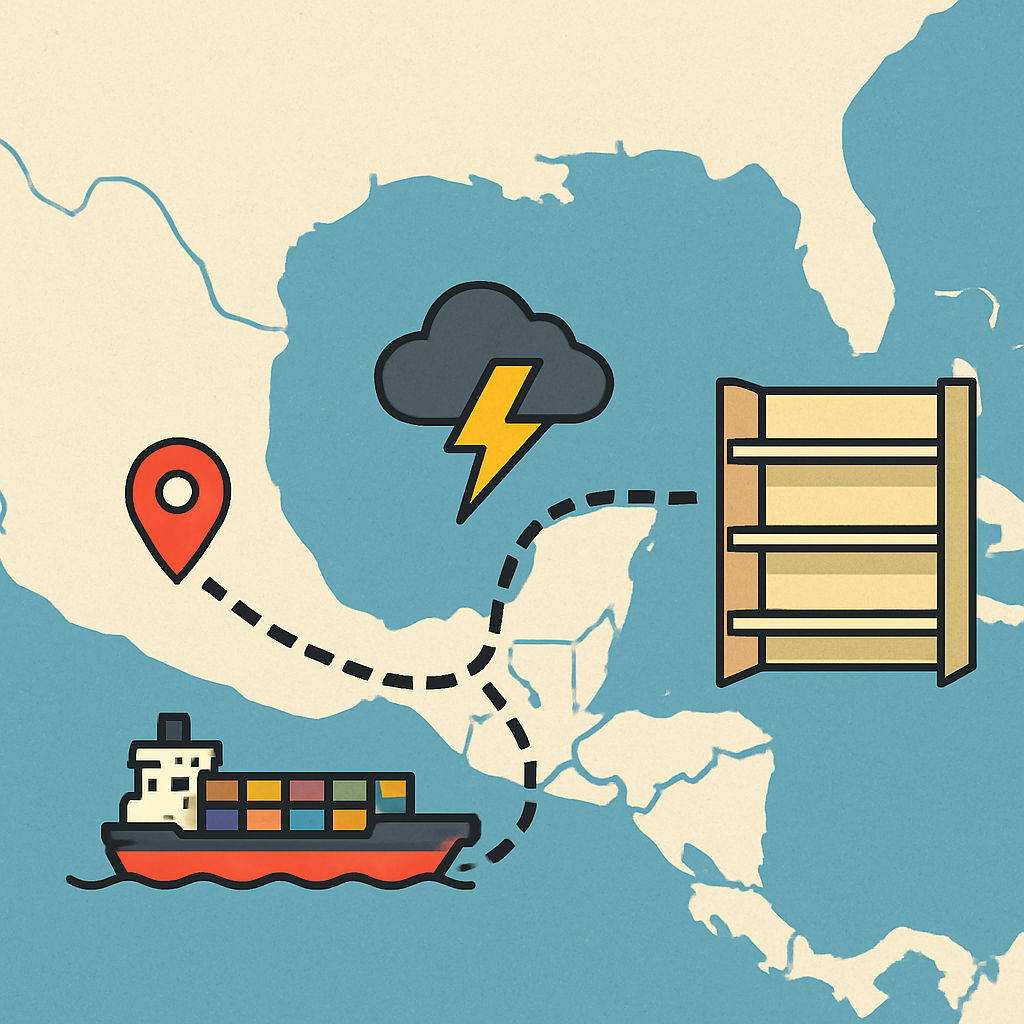
Unlike the sudden shock of a hurricane, chronic climate hazards and real estate markets have a slower, more permanent relationship. Think of this dynamic like holding an asset with a known expiration date; even if it functions perfectly today, its resale value starts dropping immediately. In the housing market, this happens when properties face long-term threats like relentless heat or encroaching shorelines. The damage isn't just physical; it is financial, eroding the asset's worth long before the water actually reaches the doorstep.
Investors and insurers are already adjusting their math to account for these physical risks of climate change. When insurance companies stop covering specific regions, home values plummet because banks generally refuse to issue mortgages on uninsurable property. You can spot these "slow-burn" financial risks in three major forms:
Rising Sea Levels: Coastal homes lose resale potential years before high tide becomes a daily issue, showing how sea level rise impacts coastal property value financially first.
Heat Stress: Extreme temperatures drastically increase utility bills and reduce the productivity of local outdoor labor.
Water Scarcity: Regions facing chronic drought see property values dip as water access becomes expensive or restricted.
Owning property in these zones is becoming a gamble against nature that few can afford to win. The market is realizing that land isn't always a safe investment if the environment around it is changing permanently. While housing represents a major portion of your wealth, these same chronic patterns are wreaking havoc on your daily expenses.
That higher grocery receipt isn't just a result of inflation. When a heatwave scorches wheat fields in Kansas or a drought hits olive groves in Spain, ingredients become scarce. Economists call this "commodity volatility," but practically, it means a weather event thousands of miles away forces you to pay more for bread. The unpredictability of the seasons is now directly linked to the stability of your food budget.
Major brands are scrambling to secure their supply chains against these shocks. Many are now implementing corporate adaptation strategies for extreme heat, such as moving farms to cooler latitudes or investing in resilient seeds. While these moves help keep food on the shelves, they require massive investment that gets passed down to the consumer. Cheap staples are disappearing as companies factor the cost of a chaotic environment into every box of cereal.
This volatility is a prime example of climate transition physical market risks—financial dangers caused by real-world environmental changes. It turns the food system into a high-stakes gamble where stability is the exception. Just as grocery prices signal trouble in the fields, other financial sectors are flashing red lights about these escalating dangers.
Your home insurance bill isn't just a monthly expense; it’s a siren. Major carriers aren't leaving states like California or Florida out of spite, but because the basic math of risk has fundamentally changed. When insurance premium hikes due to global warming skyrocket, they act as the market’s loudest alarm bell, signaling that certain neighborhoods are becoming too risky to cover.
Insurers are retreating because "once-in-a-century" disasters are now happening frequently, forcing a stark re-evaluation of property values. This shift is driven by three specific pressures:
Frequency of Payouts: Storms and fires are hitting harder and more often, draining reserve funds.
Reinsurance Costs: Insurance companies are paying significantly more for their own backup coverage.
Uninsurable Zones: Some areas are becoming "uninsurable assets," making it impossible for buyers to secure a mortgage.
This creates a domino effect for your wallet and the wider economy. If a house can't be insured, its resale value plummets, putting the bank's mortgage loan at risk. New rules, specifically the TCFD disclosure requirements for financial institutions, now force lenders to admit these vulnerabilities in their portfolios. As real estate faces this reality, similar devaluation threatens the power industry.
Just as an uninsurable home loses value, certain energy investments face a similar fate. Imagine buying a diesel car right before a city bans diesel fuel. The car still drives perfectly, but its resale value hits zero because the market has moved on. This is a "stranded asset"—something that loses its worth prematurely because the rules of the economy changed. In the energy sector, coal plants and expensive oil pipelines are quickly becoming these "diesel cars" as cheaper, cleaner alternatives take over the market.
Unlike physical storms that break buildings, this threat is purely economic. A transition risk vs physical risk comparison shows that while hurricanes destroy assets from the outside, transition risk destroys business models from the inside through new laws or technology. Investors are scrambling to identify these potential dead-weight projects, because if major pension funds hold too much stock in these fading industries, regular savers could end up absorbing the loss.
Smart money is seeking "future-proof" options to avoid this trap. The strategy for mitigating stranded asset risk in energy sectors involves shifting capital toward technologies powering the future, like modern power grids and battery storage. Recognizing these shifts helps protect your savings from becoming collateral damage in the global energy transition.
You don't need a degree in economics to see that the rules of money are changing. While major banks run complex simulations to predict the future, integrating climate scenarios into financial planning starts at your kitchen table with a simple reality check. It is about asking how a hotter, more volatile world impacts your personal bottom line, from the safety of your home to the stability of your monthly bills.
To protect your wallet, conduct a basic personal risk audit covering four key areas:
Home Location: Check free online flood and fire maps to see if your property sits in a future high-risk zone.
Insurance Coverage: Confirm your policy actually covers specific disasters like floods or windstorms, rather than assuming you are safe.
Investment Portfolio: Look at your retirement funds to ensure they aren't heavy in industries that might fade away, like coal.
Energy Costs: Create a buffer in your budget for higher electricity bills during intensifying summer heatwaves.
By proactively measuring portfolio exposure to environmental shifts, you move from anxiety to action. This isn't just about avoiding loss; it is about building a financial buffer against the unknown.
You can now look past the weather forecast to see the financial reality behind it. Understanding the balance between the cost of inaction and the cost of adaptation shifts your perspective from helpless observer to informed participant. You realize that a storm halfway across the world is no longer just a distant news story, but a direct line to the prices at your local store.
Turn this awareness into a personal safety check. Review your insurance for gaps and look at your investments through the lens of emerging risks, including sovereign debt vulnerability to natural disasters. As governments implement a regulatory framework for mandatory climate reporting, you will gain the transparency needed to spot which companies are truly prepared for the future and which are exposed to risk.
Knowing the new rules of the economy is your best defense against rising costs. By anticipating these market ripples rather than reacting to them, you secure your financial footing. The climate is changing, but with this knowledge, your stability does not have to wash away with the tide.
Empty space, drag to resize